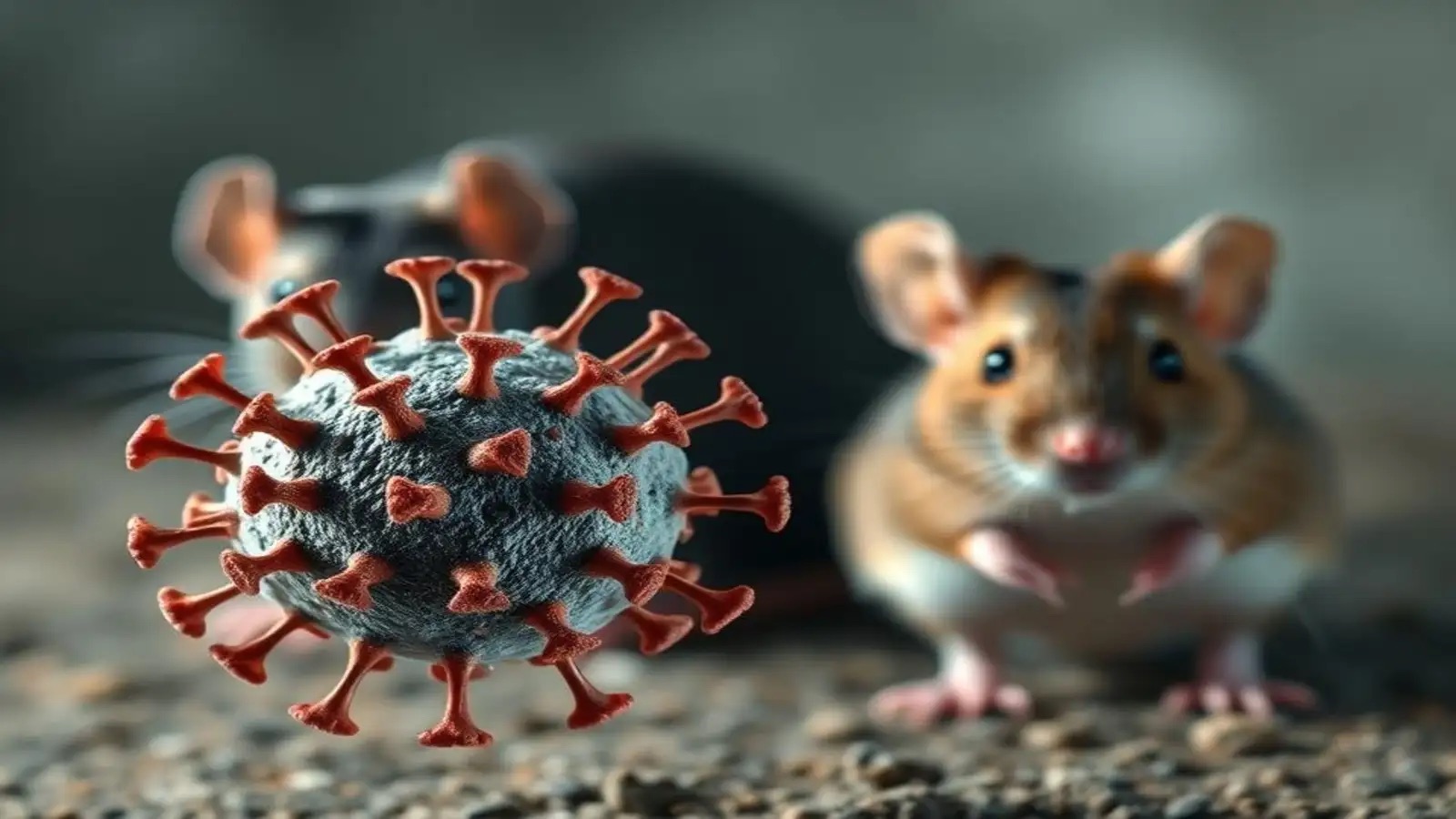
Hantaviruses are a group of viruses primarily carried by rodents and can cause severe illness in humans. People become infected mainly through contact with infected rodents or exposure to their urine, saliva, or droppings.
Health experts say hantavirus infections can lead to serious respiratory and kidney related diseases, with some cases resulting in death.
In the Americas, hantaviruses are known to cause Hantavirus Cardiopulmonary Syndrome (HCPS), a severe respiratory disease that affects the lungs and heart, with fatality rates reaching up to 50 percent. In Europe and Asia, the viruses are linked to Haemorrhagic Fever with Renal Syndrome (HFRS), which mainly affects the kidneys and blood vessels.
One of the most notable strains is the Andes virus found in South America, which is the only hantavirus currently known to have limited human to human transmission among close contacts.
Hantaviruses belong to the Hantaviridae family and are naturally carried by rodents without causing illness in the animals themselves. Human infections occur accidentally when people come into contact with contaminated environments.
Global health authorities estimate that between 10,000 and 100,000 hantavirus infections occur annually worldwide, with Asia and Europe recording the highest number of cases.
Transmission usually occurs when people inhale particles contaminated with rodent waste. Activities such as cleaning poorly ventilated spaces, farming, forestry work, or staying in rodent infested buildings increase the risk of exposure.
Symptoms commonly begin one to eight weeks after exposure and may include fever, headache, muscle pain, nausea, vomiting, abdominal pain, and fatigue. In severe cases, patients may develop breathing difficulties, fluid buildup in the lungs, kidney failure, low blood pressure, or shock.
Medical experts say early diagnosis is often difficult because symptoms resemble other illnesses such as influenza, COVID 19, dengue fever, or pneumonia. Laboratory tests including antibody detection and molecular testing are used to confirm infection.
Currently, there is no approved vaccine or specific antiviral treatment for hantavirus infection. Treatment mainly focuses on supportive medical care, including oxygen therapy, fluid management, and intensive care for severe cases.
Health authorities recommend preventive measures such as keeping homes clean, sealing holes that allow rodents into buildings, storing food safely, avoiding direct contact with rodent waste, and practicing proper hand hygiene.
The World Health Organization continues to work with countries to improve surveillance, laboratory testing, outbreak response, and public awareness regarding hantavirus infections while promoting stronger infection prevention and control measures globally.