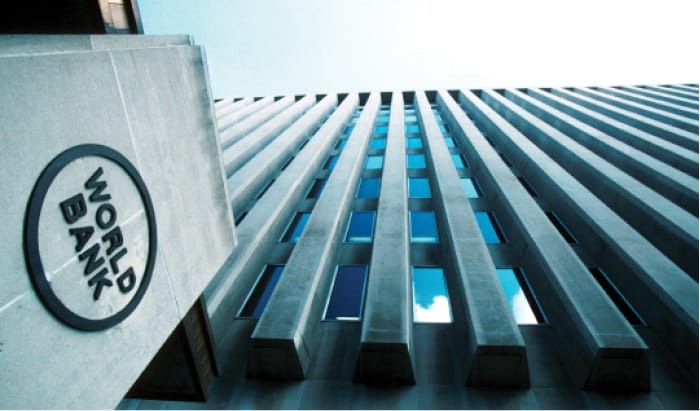
Nigeria has maintained its position as the third-largest borrower from the International Development Association (IDA), the concessional lending arm of the World Bank, despite a slight decline in debt exposure in the first quarter of 2026.
According to the IDA’s March 2026 financial report, Nigeria’s debt exposure dropped marginally from $18.7 billion in December 2025 to $18.5 billion in March 2026, representing a 1.1% decline. However, on a year-on-year basis, the country’s debt increased significantly from $17.3 billion in March 2025, reflecting a 6.9% rise.
Nigeria ranks behind Bangladesh ($22.7 billion) and Pakistan ($19.2 billion) among the World Bank’s largest IDA borrowers. Other African countries with high exposure include Ethiopia ($14.4 billion), Tanzania ($14.3 billion), and Kenya ($13.2 billion).
Despite the slight quarterly drop, Nigeria’s long-term debt trend continues upward as the government seeks additional World Bank financing to support infrastructure, electricity, digital services, agriculture, and economic reforms. Reports indicate the country is pursuing a fresh $1.25 billion facility, which could further increase total World Bank loan approvals under President Bola Tinubu’s administration.
Meanwhile, financial experts have raised concerns over Nigeria’s growing debt burden, warning that increasing loans could place more pressure on the economy and future generations, especially as the country’s total debt profile continues to rise.