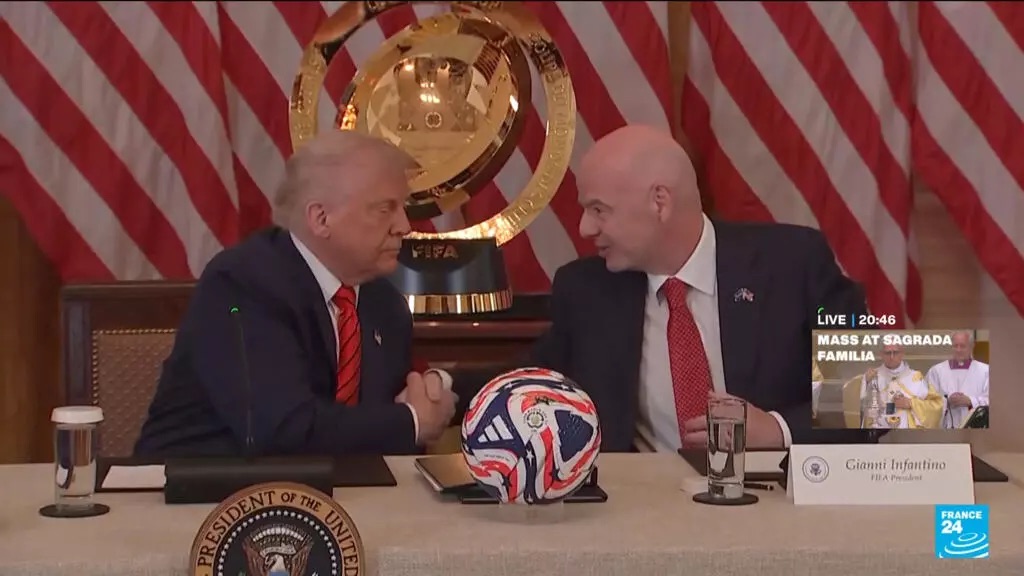
FIFA President Gianni Infantino has defended the pricing of tickets for the upcoming World Cup, insisting that criticism over high costs should be directed at the broader North American ticketing market rather than FIFA alone.
Speaking ahead of the tournament’s opening match, Infantino argued that selling tickets at significantly lower prices would have only encouraged resale markets to profit through inflated prices.
FIFA initially priced group-stage tickets from around $140, while seats for the World Cup final near New York climbed into thousands of dollars, with premium hospitality packages reaching tens of thousands. Following criticism from fans and supporters, the football governing body introduced a limited number of discounted tickets for national federations to make matches more accessible to dedicated supporters.
According to Infantino, about 130,000 lower-cost tickets were made available under the special arrangement. He maintained that average ticket prices for the competition remain comparable to major sporting events in North America, particularly during playoff seasons.
The FIFA chief also dismissed concerns surrounding legal scrutiny from attorneys general in several U.S. states investigating ticket sales practices. He said FIFA had worked closely with legal and commercial experts before launching ticket sales and expressed confidence that the organisation had complied with regulations.
Infantino pointed to price trends in American sports, including the NBA Finals and the Stanley Cup Final, arguing that premium ticket prices for high-demand events are common across the region.
On immigration issues linked to the tournament, Infantino acknowledged FIFA’s limited authority regarding U.S. visa and border decisions. He described it as unfortunate that Somali referee Omar Artan, who was expected to make history as the first Somali official at a World Cup, was denied entry into the United States over undisclosed security concerns.
Despite the setback, Infantino said FIFA continues to work behind the scenes to resolve travel-related issues affecting tournament participants while respecting the authority of national governments.
He also highlighted FIFA’s efforts in facilitating Iran’s participation in the tournament despite ongoing tensions between the United States and the Middle Eastern country. To navigate the situation, Iran reportedly moved its training base to Mexico and plans to travel into the U.S. shortly before matches.
Looking ahead, Infantino described the World Cup as a potentially historic global event and praised international cooperation that has supported preparations. He added that FIFA expects the competition to generate billions in revenue, though the organisation chose not to maximise earnings through full pay-per-view broadcasting in order to maintain wider public access.
Infantino, who has served as FIFA president since 2016, is expected to seek another term in office next year, extending his leadership through 2031.
During the media briefing, an empty seat was reserved for French freelance journalist Christophe Gleizes, who was sentenced to prison in Algeria last year following a controversial interview linked to a football official accused of ties to a banned separatist movement.