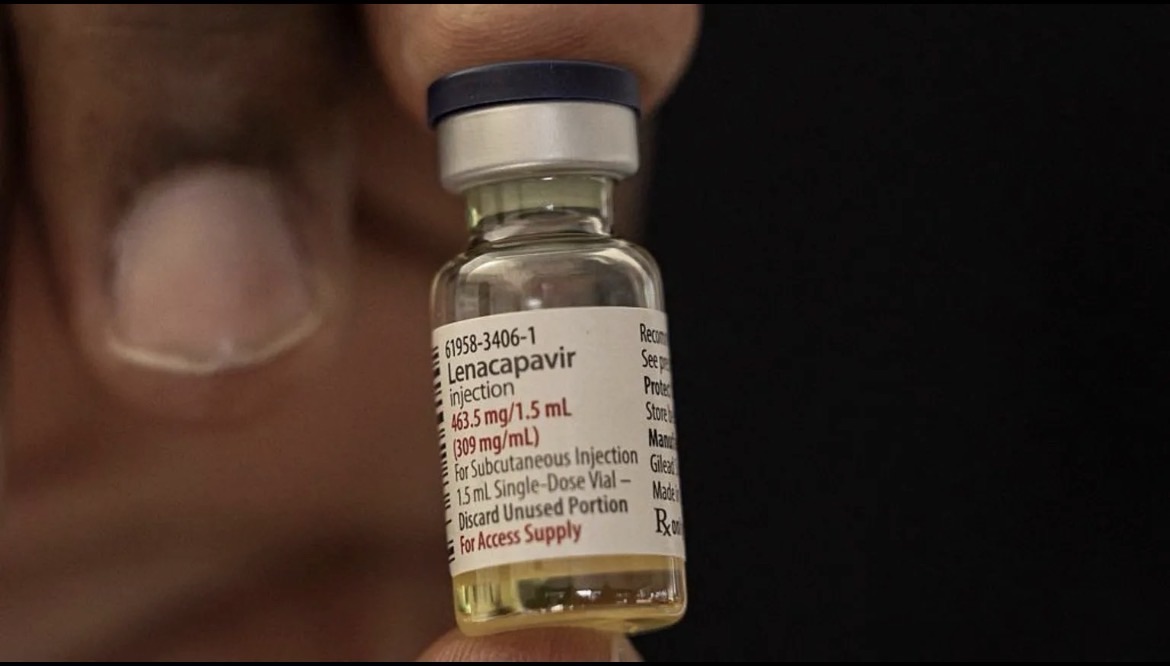
Africa has taken a major step towards expanding access to HIV prevention following the arrival of the first shipments of generic lenacapavir in Zambia, with deliveries to Uganda expected in the coming days.
The Global Fund to Fight AIDS, Tuberculosis and Malaria announced on November 25, 2026, that the initial supplies had reached Zambia. Zimbabwe is expected to receive its first Global Fund-financed shipment in early 2027.
Lenacapavir is a long-acting injectable pre-exposure prophylaxis (PrEP) drug administered twice a year to prevent HIV infection. Clinical trials have shown it to be nearly 100 per cent effective, offering an alternative to daily preventive pills.
The generic version is expected to cost approximately $40 per person annually, a significant reduction from the branded version developed by Gilead Sciences, which costs about $28,000 annually in the United States.
Indian pharmaceutical company Hetero also announced on November 26 that it had begun phased shipments of generic lenacapavir to Africa, with plans to supply 300,000 vials across Zambia, Uganda and Zimbabwe. The company said it intends to expand distribution to 10 additional African countries in early 2027.
The generic supplies have become possible through licensing agreements between Gilead Sciences and six manufacturers, alongside support from international partners, including the Gates Foundation, Unitaid and the Children’s Investment Fund Foundation.
According to the Global Fund, more than 189,000 people across 10 early-adopter countries had received their first dose of lenacapavir as of November 2026. A total of 24 countries are expected to have received the drug by the end of the year.
The organisation, working with the United States government, aims to reach at least three million people with lenacapavir by the end of 2028. It also plans to deliver four times as much of the drug in 2027 as it did in 2026, with generic supplies expected to play a major role in expanding access.
The arrival of cheaper versions is expected to help address supply shortages and make long-acting HIV prevention more accessible in countries with significant HIV burdens.