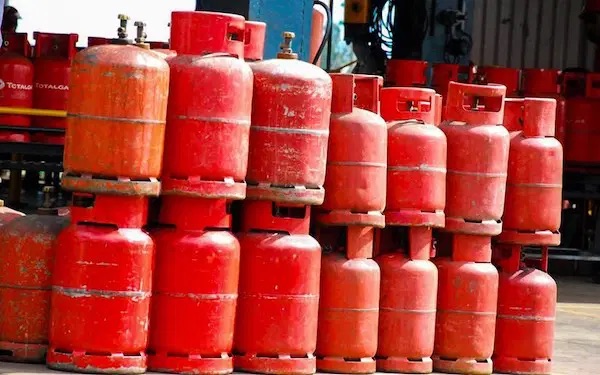
Nigeria may hold Africa’s largest proven gas reserves, but households and businesses are struggling with worsening shortages of Liquefied Petroleum Gas (LPG), commonly called cooking gas.
Despite rising gas production, a large share of Nigeria’s output is exported, leaving domestic consumers with limited supply. Industry data shows demand for cooking gas has increased significantly in recent years, while local supply has failed to keep pace.
This imbalance has pushed LPG prices sharply higher, with many consumers now paying between ₦1,700 and ₦2,000 per kilogram, putting pressure on family budgets and small businesses.
Experts blame the crisis on poor gas infrastructure, pipeline vandalism, weak domestic supply policies, inadequate storage facilities, foreign exchange instability and producers prioritising exports over local demand.
Industry stakeholders warn that without urgent government action and stronger investment in gas processing, storage and distribution, the shortage could worsen. Many households are already turning back to firewood and charcoal, threatening progress toward cleaner energy use.
Although Nigeria has the capacity to become largely self-sufficient in cooking gas, experts say long-term reforms and infrastructure development are needed to stabilise supply and lower prices.