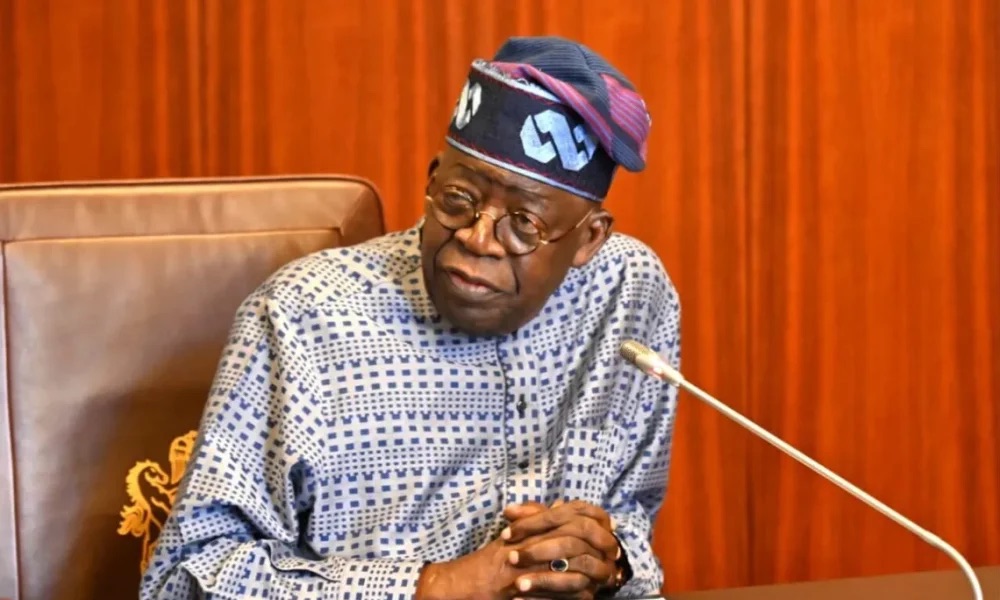
The Federal Government’s reported plan to gradually introduce cost reflective electricity tariffs has attracted criticism from consumer groups, who argue that higher electricity prices cannot be justified while power supply remains unreliable.
Although the Presidency has denied reports of an imminent nationwide tariff increase, concerns persist following comments by the Special Adviser to the President on Power Infrastructure, Sadiq Wanka, that cost reflective tariffs remain part of the government’s long term policy.
Consumer advocates said Nigerians continue to face poor electricity supply despite previous tariff increases, particularly the 2024 adjustment for Band A customers, who were expected to receive at least 20 hours of electricity daily.
The National President of the Nigeria Consumer Protection Network, Kunle Olubiyo, described Nigeria’s power sector reforms as ineffective, arguing that the electricity market is plagued by poor accountability, inadequate metering and financial leakages. He called for broader reforms to improve efficiency before any further tariff review.
Similarly, the Executive Director of the Electricity Consumer Protection Advocacy Centre, Princewill Okorie, warned that increasing electricity tariffs without improving service delivery would place an additional burden on households and businesses already facing economic hardship.
Okorie also called for an independent audit of investments made by electricity distribution companies and funds provided by international development partners, saying greater transparency is needed before consumers are asked to pay higher tariffs.
The debate comes as Nigeria continues to struggle with inadequate electricity generation, with power output remaining largely unchanged despite growing demand and ongoing sector reforms.