Nigeria’s worsening electricity crisis is taking a heavy toll on households and businesses, as unreliable power supply combines with rising fuel prices to increase the cost of living and doing business across the country.
Across major cities, including Lagos, Kano, Kaduna, and Ilorin, residents report prolonged blackouts, forcing many to depend on expensive alternatives like petrol and diesel generators. Small business owners say the situation is crippling operations, especially during the hot season when demand for cooling is high.
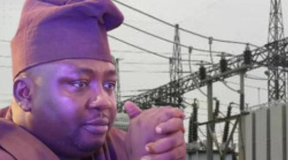
Despite assurances from the Minister of Power, Adebayo Adelabu, that electricity supply will improve within two weeks, many Nigerians remain sceptical. Several consumers argue that past promises have not translated into real improvements, with some areas receiving less than five hours of electricity daily.
The rising cost of fuel has worsened the situation. Petrol and diesel prices have surged sharply, driven in part by global oil market disruptions linked to geopolitical tensions. As a result, businesses that rely on generators are facing significantly higher operating costs, forcing some to scale down or shut down entirely.
Industry voices warn that the combined effect of poor electricity supply and expensive fuel is putting immense pressure on the economy. Key sectors such as manufacturing, agriculture, and logistics are particularly vulnerable due to their dependence on energy.
Energy experts say the crisis is rooted in long-standing structural issues, including inadequate infrastructure, gas supply constraints, and financial challenges within the power sector. Without urgent reforms and sustained investment, the situation could lead to widespread business closures, job losses, and deeper economic instability.
While the government maintains that efforts are underway to stabilise the grid and improve supply, many Nigerians say what they need now is not promises—but consistent, reliable electricity.