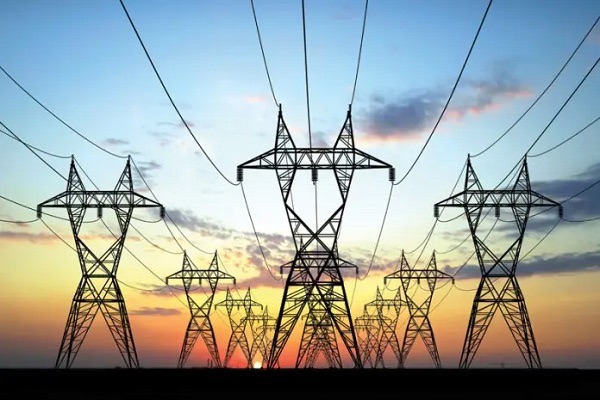
Many parts of Lagos and surrounding areas experienced widespread blackouts during the Eid-el-Fitri celebration and throughout the weekend due to a major drop in electricity supply.
Reports indicate that failures occurred across multiple levels of the power supply chain. Ten distribution companies (DisCos), including Eko Electricity Distribution Company (EKEDC) and Ikeja Electric (IE), reportedly received zero electricity allocation at a certain point.
Only the Abuja Electricity Distribution Company (AEDC) received about 509 megawatts from the Nigerian Independent System Operator (NISO).
The Electricity Consumer Protection Advocacy Centre (ECPAC) raised concerns over the low allocation, describing the situation as part of a broader crisis in Nigeria’s electricity sector.
Data from NISO showed that total power generation rose slightly from about 1,579MW to 1,861MW within an hour, but this was still insufficient to meet demand.
ECPAC’s Executive Director criticised the structure of the Nigerian Electricity Supply Industry, alleging weak regulation and poor accountability among DisCos. He noted that consumers often pay for electricity despite inadequate supply.
A source within NISO explained that the reduction in supply was part of efforts to stabilise the national grid and prevent a total system collapse due to fluctuations.
Industry data shows that many gas-fired power plants are operating below 20% capacity, while overall generation companies are producing only about 32% of installed capacity. A major factor is the sector’s debt burden, estimated at over ₦6.2 trillion.
As a result, the system has increasingly relied on hydroelectric power to sustain limited supply.
Meanwhile, Nigeria’s Minister of Power, Adebayo Adelabu, assured citizens that reforms introduced under President Bola Tinubu are aimed at improving electricity reliability.
He urged Nigerians to remain patient and supportive, noting that ongoing reforms and international engagements are expected to attract investment and strengthen the power sector in the long term.