Two additional countries—Australia and the United Arab Emirates—have joined a growing list of nations condemning Iran’s partial blockade of the Strait of Hormuz, bringing the total number of signatories to 22.
The joint statement criticises Iran’s actions, which have disrupted one of the world’s most critical oil transit routes, further isolating the country diplomatically as tensions escalate.
Earlier signatories include the United Kingdom, France, Germany, Italy, the Netherlands, and Japan. Japan’s Prime Minister, Sanae Takaichi, had earlier clarified her country’s position, noting constitutional limits on military involvement while still supporting international efforts to stabilise the situation.
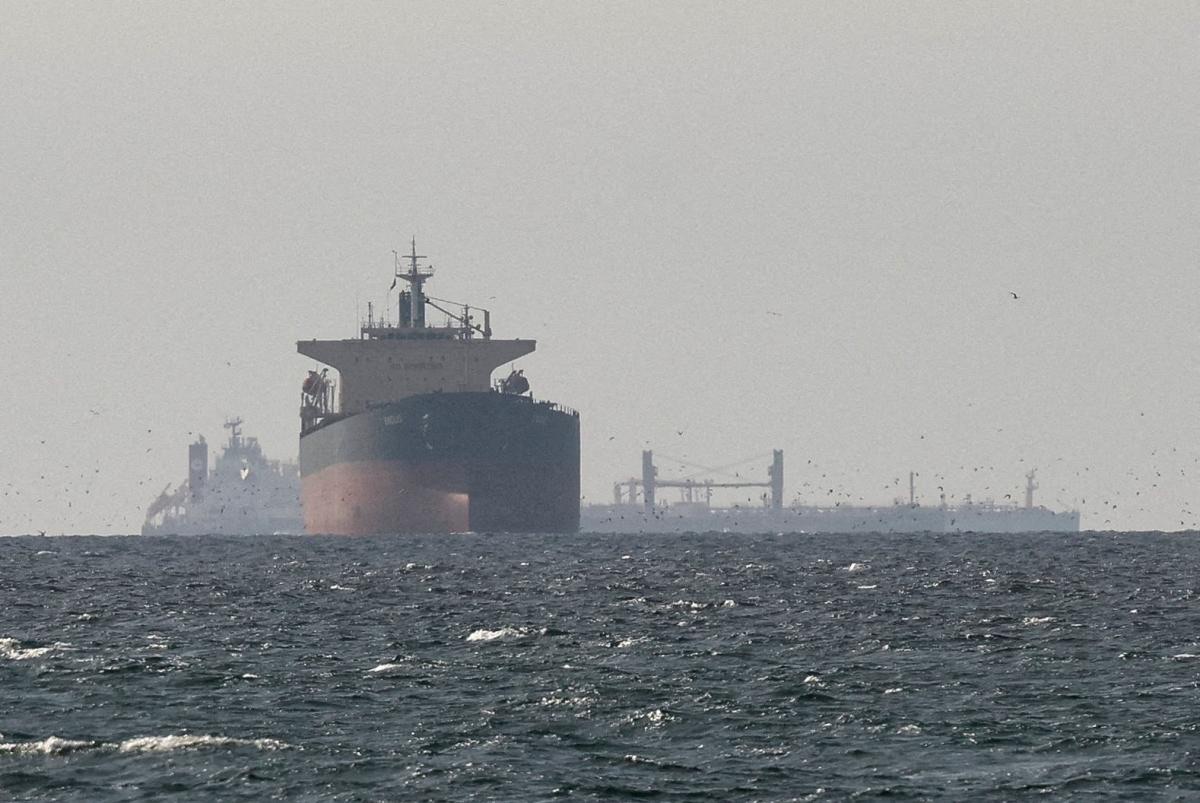
The coalition of nations expressed willingness to support efforts aimed at ensuring safe passage through the Strait of Hormuz, a vital corridor responsible for transporting a significant share of global oil supplies.
U.S. President Donald Trump acknowledged the support from allied nations but reiterated that the responsibility for securing the strait should be shared among countries that rely on it.
Security experts have suggested that protecting commercial vessels may require coordinated naval escorts, including the deployment of destroyers. Despite rising threats, some ships—particularly those linked to China, India, Turkey, and Pakistan—have continued limited transit through the corridor.
Iran has maintained that the strait remains open to neutral countries, insisting that restrictions are targeted only at vessels belonging to nations it considers hostile.
In a statement, Iranian officials said the waterway is accessible to countries that are not directly involved in attacks against Iran.
Meanwhile, the 22-nation coalition strongly condemned recent attacks on commercial shipping and energy infrastructure in the Gulf region.
The statement emphasised that such actions threaten global energy security, noting that any prolonged disruption in the Strait of Hormuz could remove a significant portion of the world’s oil supply from the market—much of which is destined for Asian economies.
As tensions persist, global attention remains focused on diplomatic and military efforts to stabilise the region and prevent further escalation.