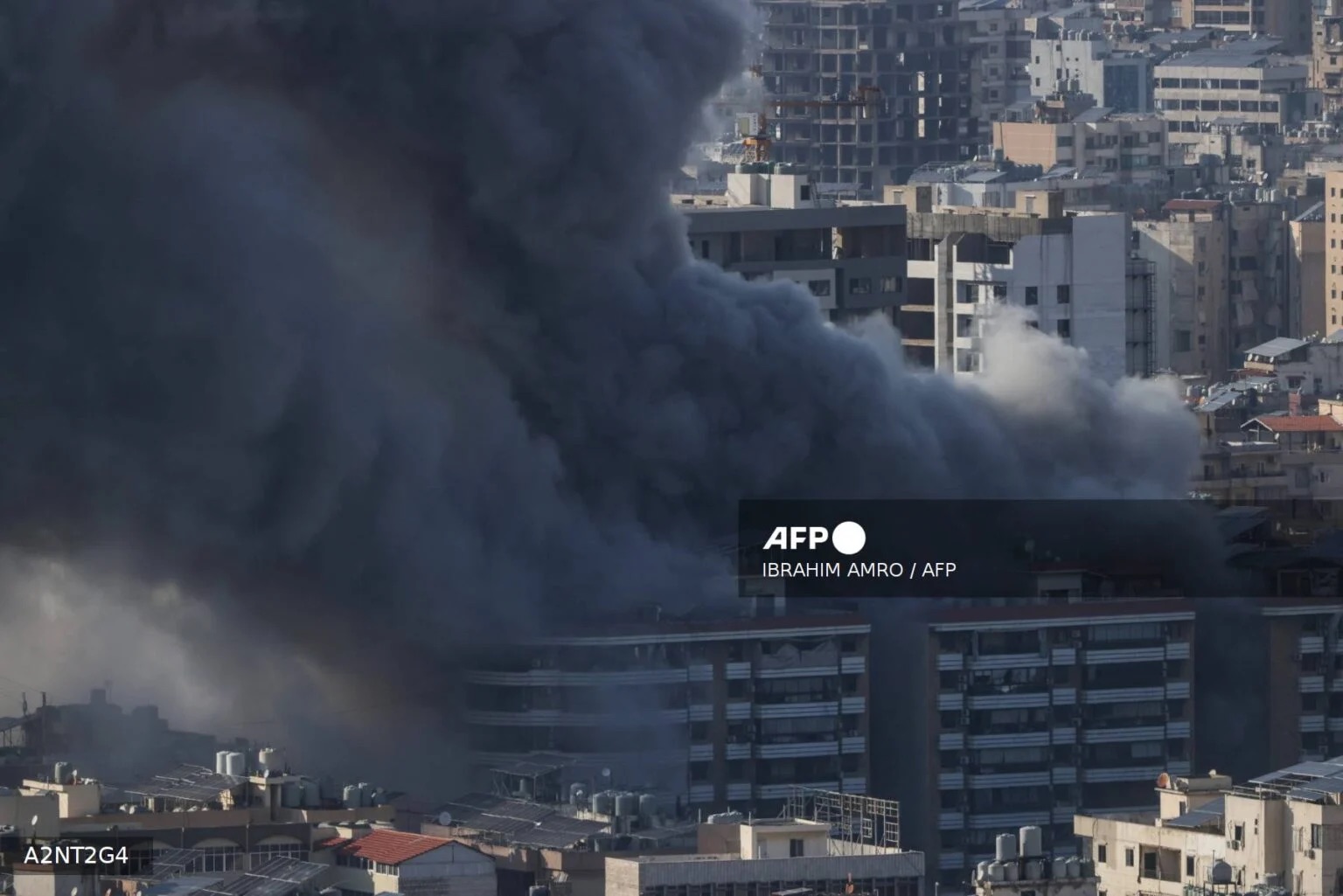
One of the world’s largest refineries in the United Arab Emirates has been shut down as a precaution following a drone attack near the facility, according to a source familiar with the situation.
The Ruwais refinery halted operations after a fire broke out in Ruwais Industrial City in the emirate of Abu Dhabi. Authorities confirmed the incident but did not state whether the refinery itself was directly struck.
The facility, operated by the state-owned oil company Adnoc, is described as the world’s fourth-largest single-site refinery.
The shutdown comes amid escalating tensions in the Middle East, where attacks on energy infrastructure have intensified during the ongoing conflict involving Iran, the United States and Israel.
Saudi Aramco president and CEO Amin H. Nasser warned that the conflict could have catastrophic consequences for global oil markets, particularly with the closure of the Strait of Hormuz, a crucial shipping route that normally carries about 20 percent of the world’s oil supply.
According to Nasser, the longer the disruption continues, the more severe the impact will be on global energy markets and the wider economy.
Iran has reportedly targeted several energy installations across the Gulf region, including Saudi Arabia’s Ras Tanura facility, one of the Middle East’s largest refining and export hubs.
Saudi oil fields have also been attacked, raising concerns over the stability of regional energy supplies.
Witnesses near the Ruwais industrial complex reported seeing bursts of fire and hearing loud explosions shortly before workers were evacuated from the area.
Energy analysts say the conflict has already triggered a chain reaction across global industries, affecting shipping, insurance, aviation, agriculture and automotive supply chains.
The disruptions have also forced QatarEnergy, one of the world’s largest liquefied natural gas producers, to halt production and declare force majeure due to the ongoing attacks.
Similar warnings have been issued by energy producers in Kuwait, signalling potential delays or failures in meeting export commitments.
Meanwhile, Aramco reported a 12.1 percent decline in net income for 2025, citing increased supply, trade tariffs and economic pressures that have affected revenues.
The company also announced a share buyback programme worth up to $3 billion over the next 18 months.
Officials in the Gulf region have warned that attacks on energy infrastructure could set a dangerous precedent and lead to wider global consequences if the conflict continues to escalate.