Global oil prices are expected to rise sharply after U.S. and Israeli strikes on Iran heightened fears of a wider regional conflict, with analysts warning crude could approach or exceed $100 per barrel if disruptions persist.
Traders reported that Brent crude jumped about 10% to nearly $80 a barrel in over-the-counter trading on Sunday, continuing a rally driven by concerns over supply risks in the Middle East.
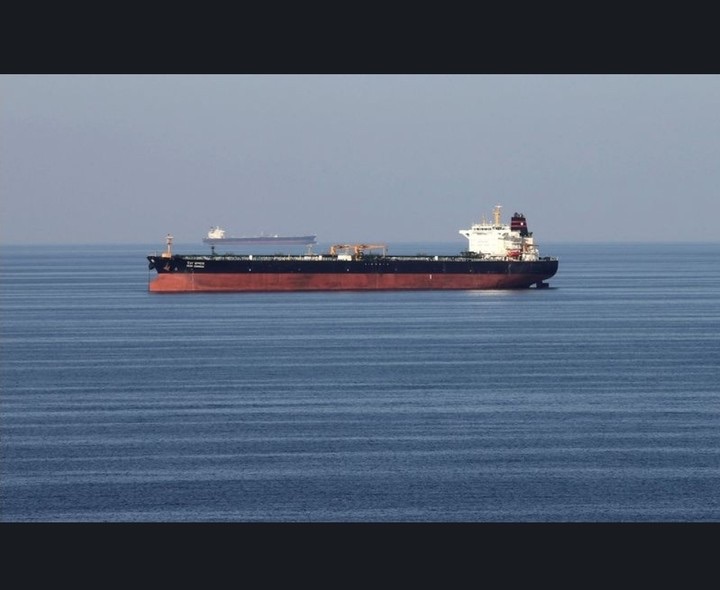
Analysts say the most critical factor influencing prices is the potential closure of the Strait of Hormuz, a vital shipping route through which more than 20% of the world’s oil supply passes. Many tanker operators and energy companies have already suspended shipments through the corridor following warnings from Tehran.
Ajay Parmar of ICIS noted that while military action supports higher prices, any prolonged shutdown of the waterway could cause a major supply shock.
Energy analysts estimate that even with alternative routes—such as pipelines across Saudi Arabia and from Abu Dhabi—the market could still lose between 8 million and 10 million barrels per day of crude supply.
The OPEC+ group announced a modest production increase of 206,000 barrels per day starting in April, a move seen as too small to offset potential disruptions.
According to analysts at Rystad Energy, prices could rise by around $20 when markets reopen, while other forecasts suggest crude may remain above $90 in the near term if tensions continue.
The crisis has also pushed Asian governments to review emergency stockpiles, with India reportedly considering increased imports from Russia to cushion any supply shortfall from the Middle East.