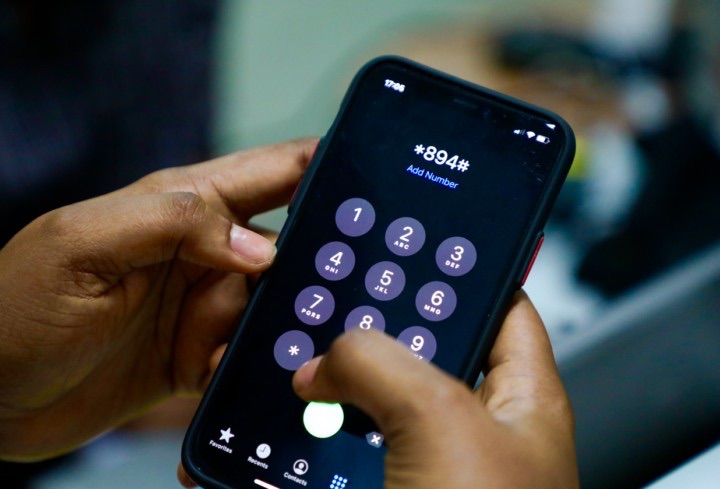
Commercial banks and telecommunications operators have finally settled a four year dispute over unpaid Unstructured Supplementary Service Data fees, clearing nearly N300 billion in outstanding obligations.
The resolution was announced by Gbenga Adebayo, chairman of Association of Licensed Telecommunications Operators of Nigeria, during a visit to the Nigerian Communications Commission. He explained that the accumulated debt had posed a serious threat to both the telecom sector and Nigeria’s growing digital financial ecosystem. Adebayo also commended Aminu Maida for providing the leadership and coordination that led to the settlement, noting that the issue was one of the most complex challenges inherited by the current NCC management. According to him, the industry has now transitioned fully to an end user billing model, eliminating outstanding liabilities and replacing what was once a major crisis with a more sustainable framework.
The disagreement between banks and telecom operators dates back several years and was driven by unpaid charges for USSD services used for mobile banking transactions. In 2019, telecom operators argued they could no longer continue offering the service without compensation and proposed a usage based charge, a move banks resisted over concerns that it would significantly raise costs for customers. Tensions escalated in March 2021 when operators threatened to suspend USSD services over mounting debt, a shutdown that was halted after intervention by Isa Pantami. Although both sides later agreed on a revised transaction fee, the liabilities kept growing, reaching tens of billions of naira within a short period.
By 2023 the amount owed had surged dramatically, and by the peak of the crisis in 2024 estimates placed the liability between N250 billion and N300 billion. The prolonged standoff required regulatory intervention from both the NCC and the Central Bank of Nigeria, which worked together to design a new payment structure to resolve the impasse and protect digital financial services.
Under the new system, USSD charges are now deducted directly from customers’ mobile airtime rather than billed to banks. Migration to this model took place in June 2025 following partial repayments by financial institutions. Industry stakeholders say the settlement removes a major risk to financial inclusion services that rely heavily on USSD, particularly for users without smartphones or reliable internet access, and is expected to stabilise collaboration between banks and telecom providers going forward.