Nigeria’s Minister of Foreign Affairs, Yusuf Tuggar, has formally apologised to Burkina Faso following the unauthorised entry of a Nigerian military aircraft into Burkinabè airspace, an incident that briefly escalated diplomatic tensions across the Sahel.
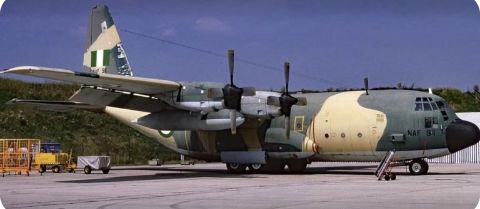
The aircraft, operated by the Nigerian Air Force, was travelling to Portugal when it reportedly developed a technical fault and was forced to make an unscheduled landing in Burkina Faso. The landing occurred without proper overflight clearance, leading to the detention of 11 Nigerian military personnel.
Tuggar’s spokesperson confirmed to the BBC that the detained servicemen have since been released and are expected to return to Nigeria, although no specific timeline was given.
The incident drew a sharp reaction from the Alliance of Sahel States, a military led bloc made up of Burkina Faso, Mali, and Niger. In a statement, the alliance described the landing as an unfriendly act and announced that member states had placed their air forces on maximum alert, authorising them to neutralise any aircraft found to be violating their airspace.
Relations between the alliance and the Economic Community of West African States remain strained. The three Sahel nations have withdrawn from Ecowas and moved closer to Russia, while Nigeria and most Ecowas members continue to maintain ties with Western allies.
On Wednesday, Tuggar led a senior delegation to Ouagadougou, where he met with Burkina Faso’s military leader, Captain Ibrahim Traoré, to discuss the incident.
Speaking on national television, Tuggar acknowledged procedural lapses, saying there were irregularities in the overflight authorisation process, which he described as regrettable, adding that Nigeria apologised for the incident.
Although the Nigerian personnel are reported to be in high spirits, it remains unclear when both the servicemen and the aircraft will return to Nigeria.
According to Nigeria’s foreign ministry, both countries agreed to maintain regular consultations and pursue practical measures to strengthen bilateral cooperation and regional integration, signalling efforts to ease tensions and restore diplomatic trust.