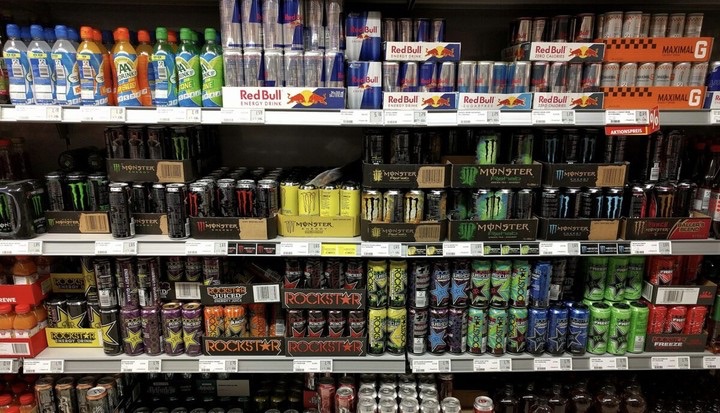
Cardiologist Warns Nigerians Against Excessive Consumption of Energy Drinks
A consultant cardiologist at the Federal Teaching Hospital, Gombe, Abubakar Sani, has cautioned Nigerians, particularly young people, against the excessive consumption of energy drinks, warning that the habit poses serious risks to heart health.
Sani raised the alarm amid growing consumption of energy drinks among youths in Gombe metropolis and surrounding communities. Some youths told journalists that they rely on the beverages to endure long working hours, boost alertness, or enhance sexual performance, while others admitted to mixing energy drinks with alcohol to achieve what they described as “maximum results.”
In an interview on Friday, the cardiologist described the frequent intake of stimulant packed energy drinks as a “time bomb,” especially for young people. He noted that the surge in consumption carries health risks far more severe than many users realise.
According to him, as cardiovascular diseases increasingly contribute to deaths in developing countries, it has become imperative for youths to stay away from energy drinks. He explained that excessive consumption is linked to heightened risks of heart disease, hypertension, diabetes, and stroke.
Sani warned that energy drinks can disrupt the heart’s electrical rhythm, stiffen blood vessels, and increase the chances of dangerous irregularities in heartbeat. He added that the beverages are rich in caffeine, sugar, and other stimulants that affect multiple organs, including the heart, brain, nervous system, liver, and kidneys.
“For the sake of your heart health, stay away from energy drinks. They are not safe. Their complications may take time to manifest, but they will surely come,” he warned.
He said recent studies have linked rising heart disease among youths to factors such as excessive energy drink consumption, staying up late, poor diet, and lack of exercise. He stressed that the dangers are even greater for individuals with underlying heart conditions, noting that high caffeine levels combined with other stimulants can place significant strain on the heart.
The cardiologist cautioned that in severe cases, energy drinks can trigger cardiac arrest and even lead to death if medical intervention is not prompt. He also dismissed the belief that energy drinks enhance intelligence or performance, warning that excessive intake can contribute to mental health problems, including anxiety, depression, stress, and sleep disorders.
Sani advised Nigerians to avoid energy drinks, alcoholic and sugary beverages, high salt intake, and processed foods. He encouraged the adoption of a healthy diet, regular exercise, and better lifestyle choices to improve overall heart health.